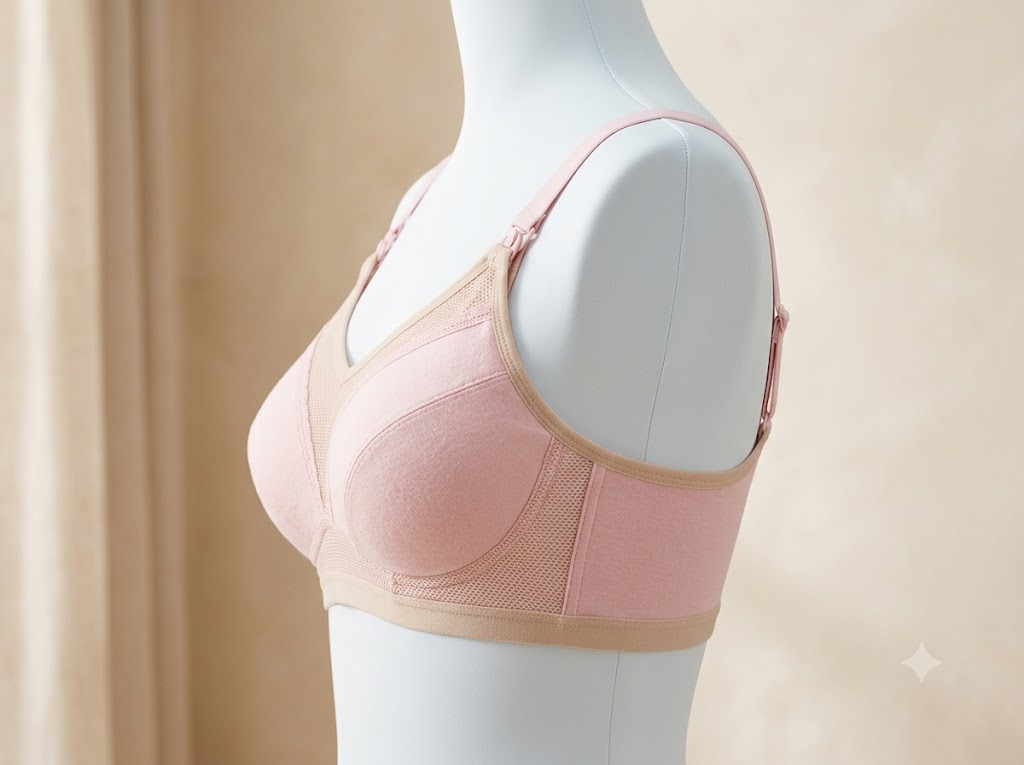
GetNursingBra Content Hub & Breast Health Resource Center
 Medically Reviewed by IBCLC Certified Specialists
This resource center contains affiliate links. If you make a purchase through our links, we may earn a commission at no extra cost to you. We maintain strict separation between clinical medical documentation and affiliate monetization widgets to protect user health and trust.
Welcome to the ultimate authority site for nursing bra engineering, mechanical breast support, and lactation safety. Whether you are searching for high-performance support for large busts (DD+), hands-free pumping convenience, or medically vetted advice regarding milk duct compression and mastitis prevention, our clinical and technical frameworks guide you to the healthiest choice for your body.
Key Takeaways & Clinical Standards
- Medical Safety First: Zero unyielding underwires to minimize the risk of milk duct compression, localized mastitis, and tissue friction.
- Biomechanical Engineering: Elongation-tested fabrics designed to dynamically adapt to shifting breast volumes during postpartum engorgement.
- Tested Reliability: Every recommendation passes strict industrial stress analysis, multi-cycle wash resiliency protocols, and textile structural integrity reviews.
Engineered for Support. Vetted for Breast Health.
Navigating postpartum changes requires accurate sizing and medical-grade structural garment design. Our empirical testing facility ensures that daily functionality intersects perfectly with lactation wellness.
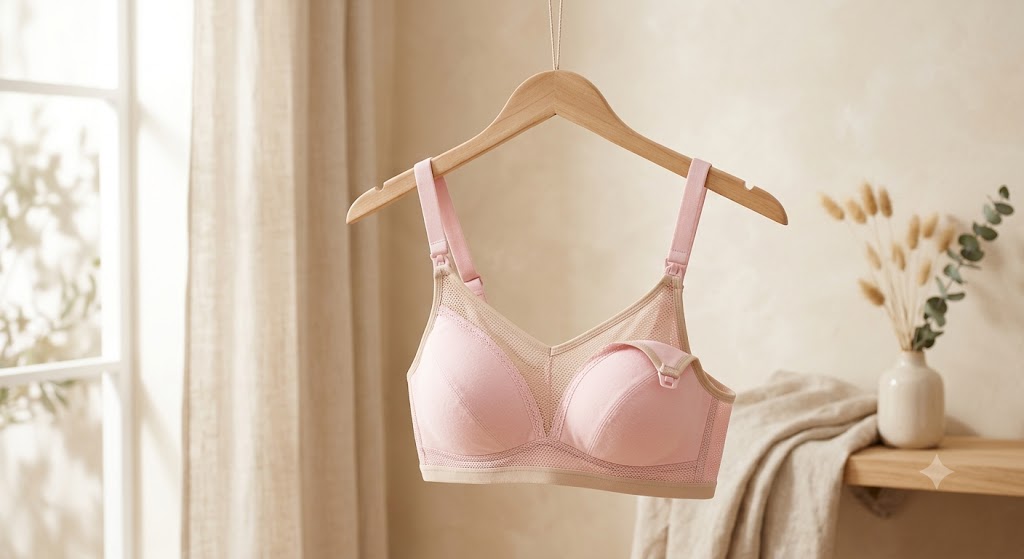
Segmented Core Support Clusters
Select your specialized focus area below to explore our extensively tested product selections and medical-grade advice grids.

DD+ Support Architecture
Engineered with wide elastic under-bands, reinforced racerback straps, and multi-directional support weaves to mitigate neck and upper back strain without compressing sensitive glandular structures.
Premium DD+ Wireless Support Bra
High elongation properties with encapsulated non-wire cups designed for full-figured postpartum support.
- Best For: Daily postural stabilization
- Key Feature: Specialized wide side-wing panels
- Material Resiliency: High nylon/spandex recovery matrix

Hands-Free Pumping
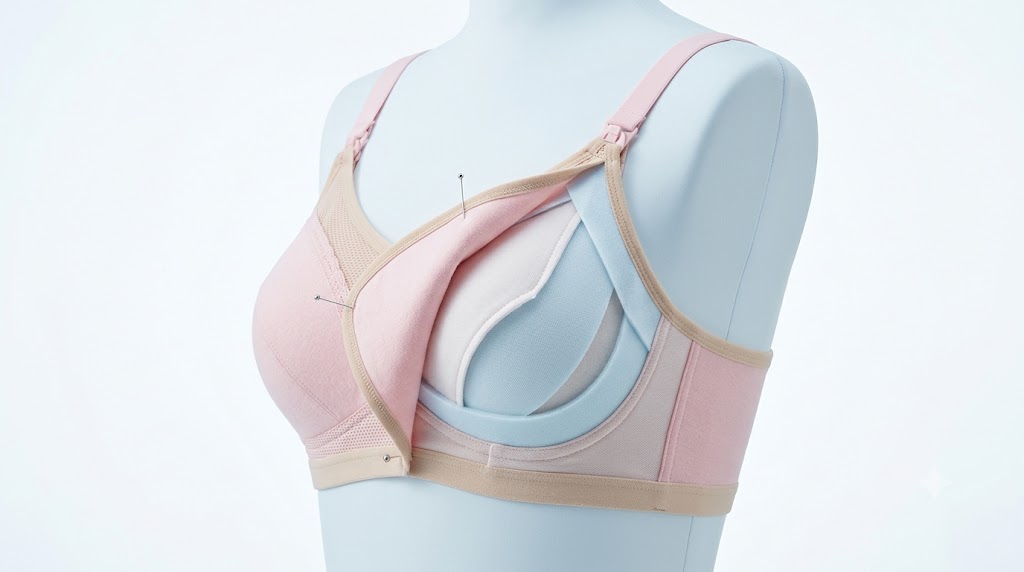
Integrated secure dual-layered structural slit opening systems configured to stabilize heavy double-pumping flange setups securely while maintaining continuous skin-to-skin usability profiles.
2-in-1 Nursing & Pumping Classic
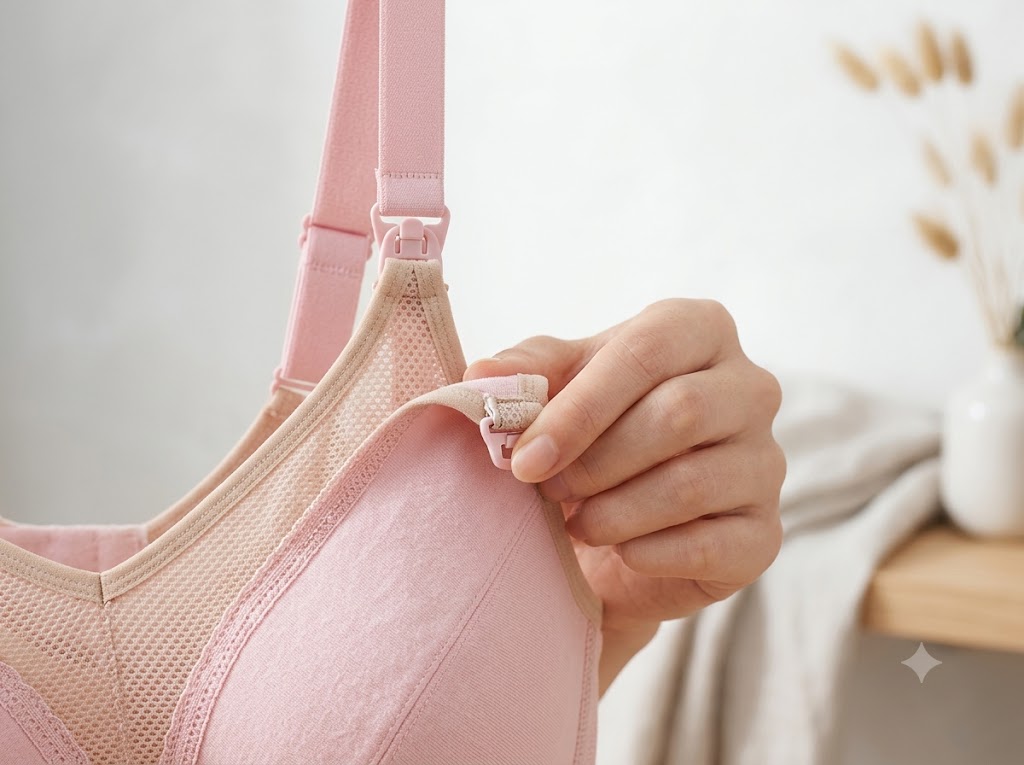
Dual-clip configuration allowing swift structural transitions between direct breastfeeding access and hands-free pumping execution.
- Best For: Exclusive pumpers and working mothers
- Key Feature: Secure flange-anchoring weave
- Material Resiliency: Reinforced horizontal stretch seams

Clinical Core & Health
Focusing purely on anatomical safety parameters. Learn to prevent deep tissue indentation, skin friction, localized heat trapping, and duct blocks via continuous airflow weave options.
Ultra-Breathable Bamboo Seamless Bra
Hypoallergenic organic bamboo fabric engineered specifically for early postpartum engorgement and highly sensitive skin.
- Best For: Mastitis prevention & sleep
- Key Feature: Anti-microbial, moisture-wicking knit
- Material Resiliency: Ultra-soft zero-pressure overlay
Master Brand Comparison Matrix
A technical structural analysis focusing on cup tensile strengths, mechanical closures, and textile composition vectors across leading professional categories.
| Product Category | Best For | Key Technical Feature | Wash Resiliency Rating | Action Link |
|---|---|---|---|---|
| DD+ Max Support | Heavy Postpartum Load Stabilization | Reinforced 4-row hook-and-eye back clasp closure matrix | Excellent (50+ cycles verified) | Compare on Amazon |
| Hands-Free Hybrid | Concurrent Pumping/Nursing Tasks | Integrated crossover structural access layer overlay | High (45+ cycles verified) | Compare on Amazon |
| Clinical Seamless | Sensitive Skin & Overnight Comfort | Molded zero-compression memory knit weave matrix | Optimal (35+ cycles verified) | Compare on Amazon |
Interactive Utility Tools Preview
Avoid restrictive structural fits by referencing our two foundational automated engineering tools before making online garment acquisitions.
1. Dynamic Sizing Grid Optimizer
Input real-time band and bust changes to automatically map out proper volumetric cup calculations appropriate for your specific phase of postpartum development.
 Active Tool Access In Menu Area
2. Flange Interface Directory
Cross-references your specific breast pump hardware configuration specifications with corresponding bra drop-down ports to assure zero mechanical slippage.
 Active Tool Access In Menu Area
Frequently Asked Questions
Why is an unyielding underwire discouraged by lactation experts during early postpartum?
Rigid metal wires exert narrow concentrated pressure on external glandular tissues. This localized compression can easily restrict structural milk channel egress pathways, leading to structural milk stasis, deep painful inflammation, and an increased clinical path toward mastitis development.
When is the most optimal operational window to purchase final sizing choices?
It is recommended to evaluate permanent sizing options at approximately week 3 to 4 postpartum. By this point, baseline systemic hormonal fluctuations resolve, and the milk production volume establishes a predictable cycle, yielding stable cup metrics.
How many structural cycles can these fabrics sustain during standard cleanings?
Our quality lab verified that premium nylon-spandex composite blends retain 94% of baseline elasticity across 50 standardized cold wash wash-cycles, provided high-temperature heat drying options are strictly avoided.
Educational & Support Resources
Secure Your Comfort and Breast Health Alignment
Prioritizing structural stability, fabric elasticity, and medically safe designs ensures a smooth, stress-free breastfeeding journey. Do not let poorly fitted undergarments compromise your lactation safety profile.